



2026 Nautilus® in Shaker Heights, OH
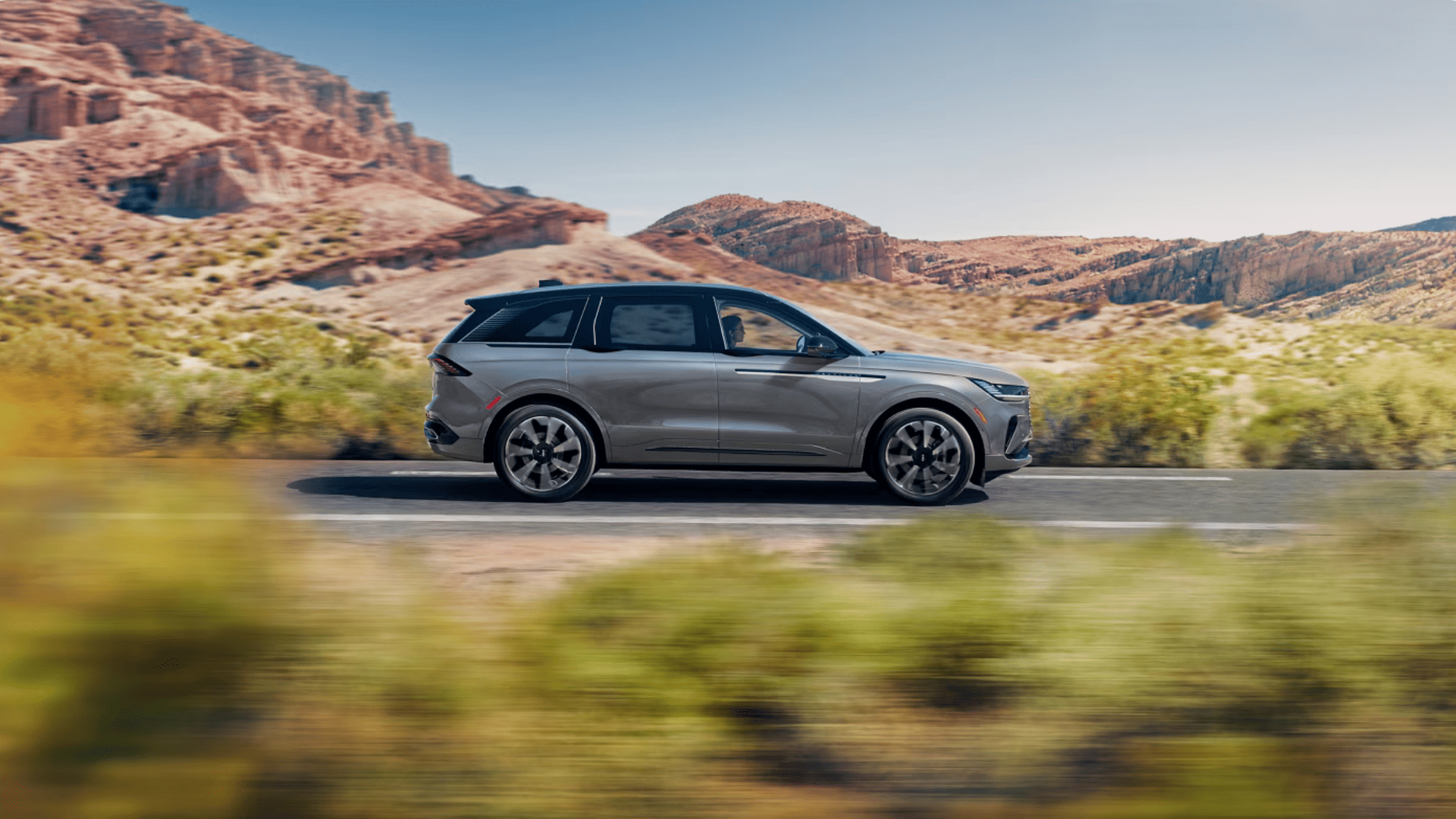
The 2026 Lincoln Nautilus® presents a midsize luxury SUV engineered with a detailed emphasis on integrated digital systems, hybrid availability, and advanced driver-assist technologies. The model incorporates an updated architecture intended to support increased connectivity and visual information access through a panoramic display system that spans the dashboard. Hybrid powertrains are available across all trims, offering improved efficiency supported by calculated combined output from the internal combustion engine and electric motor. The vehicle also features an expanded suite of software-based functions designed to interact with compatible digital services. The result is a technical platform shaped to meet modern expectations for information access, assistance features, and powertrain adaptability.
Engineering and Hybrid Powertrain Structure
The hybrid powertrain system in the 2026 Lincoln Nautilus® uses a combined methodology to determine overall output by integrating internal combustion engine performance with electric motor support. This calculation approach aligns with SAE J1349 engine testing standards and supporting electric motor dyno procedures. The hybrid system allows the vehicle to operate using a mix of mechanical and electrical power, which helps manage load during varied driving conditions. The electric motor assists launch behavior and low-speed mobility, which reduces fuel usage during moments that typically demand higher energy consumption from the engine. The hybrid configuration also contributes to noise reduction due to lower mechanical demand when electric operation is active.
Traditional gas-powered configurations remain part of the roster. These engines maintain consistent performance characteristics supported by updated software controls that optimize timing, fuel management, and cooling behavior. Both configurations interact with the broader electronic structure of the vehicle, which manages torque distribution and shifting logic. The focus remains on predictable acceleration response and balanced performance delivery across a range of driving environments. The engineering design supports the structural rigidity of the platform, which helps the handling characteristics remain stable even during transitions between engine and electric operation.
Exterior Structure and Functional Design Elements
The exterior of the 2026 Lincoln Nautilus® uses a streamlined body that supports aerodynamic efficiency. The shape encourages airflow across the roofline and side panels, improving directional stability. Exterior lighting receives structural refinement through new housing shapes and integrated illumination patterns intended to improve nighttime visibility. These lighting updates work in conjunction with the sensors that form part of the driver-assist framework.
The available roof configurations and large window openings allow additional natural light into the cabin, which improves visibility of the interior displays. The exterior form also complements the advanced digital systems by maintaining sight lines that reduce glare on the forward panoramic display. The model incorporates structural mounting points for technology hardware, including cameras and radar modules used by driver assist systems. These components are positioned to ensure accurate readings for distance measurement, lane detection, and environmental awareness.
Interior Engineering and Panoramic Display Integration
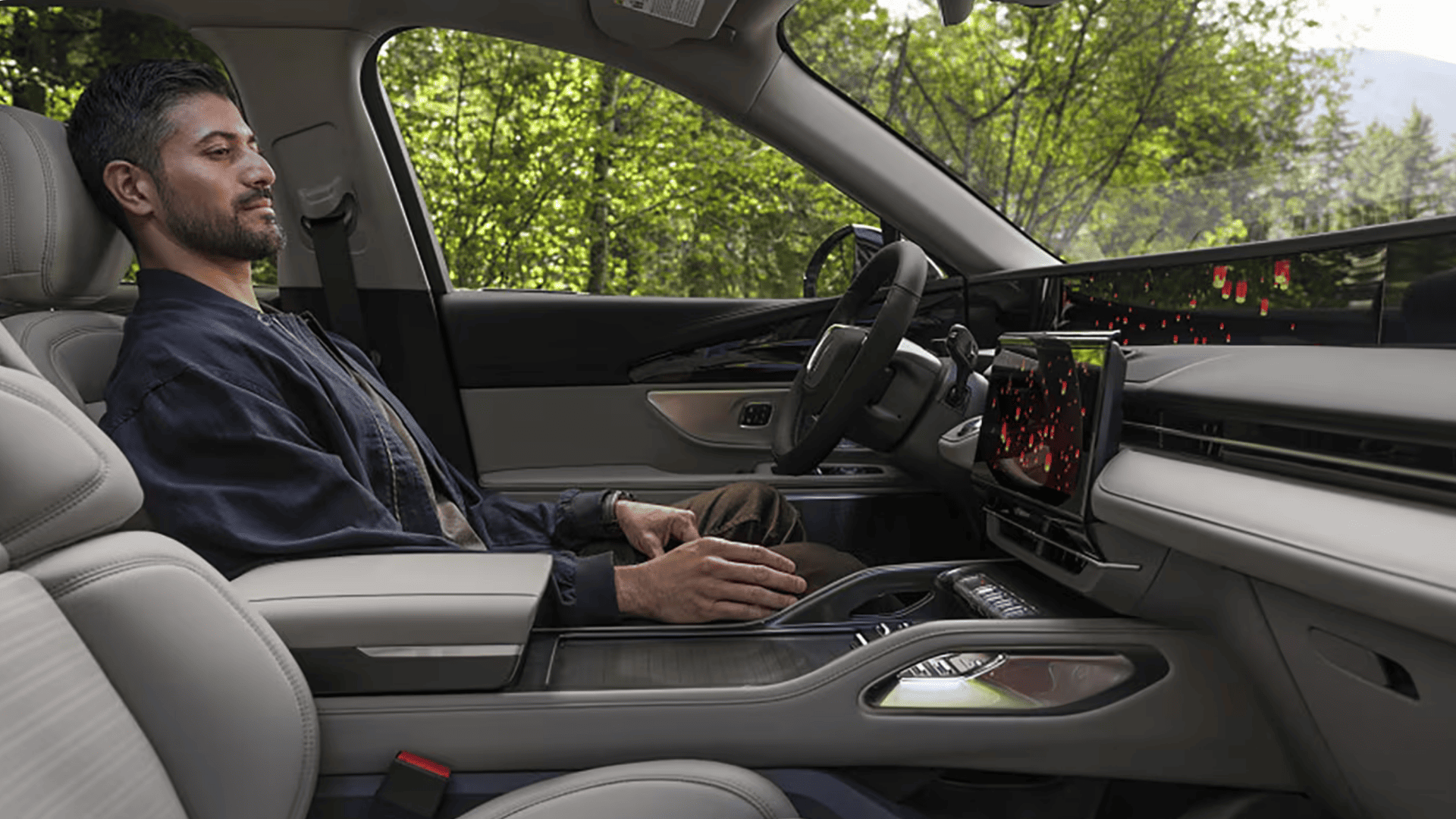
The interior contains one of the primary technical features of the 2026 Lincoln Nautilus®. The immersive panoramic display stretches across the dashboard and presents information in a consolidated layout that minimizes the need for physical controls. The system is designed to show navigation data, media information, and vehicle metrics in a unified visual field that remains accessible within the driver’s line of sight. The design reduces reliance on secondary screens by consolidating visual functions into a single continuous panel.
The Lincoln Digital Experience supports this display and incorporates systems compatible with Google Assistant, Google Maps, Google Play, and Alexa Built-in. Connectivity depends on the vehicle’s internal hardware and the availability of enabled networks. The system also offers support for wireless Android Auto™ and compatible smartphone functions. The interior digital architecture relies on updates that can refine performance and introduce new capabilities during the lifecycle of the vehicle.
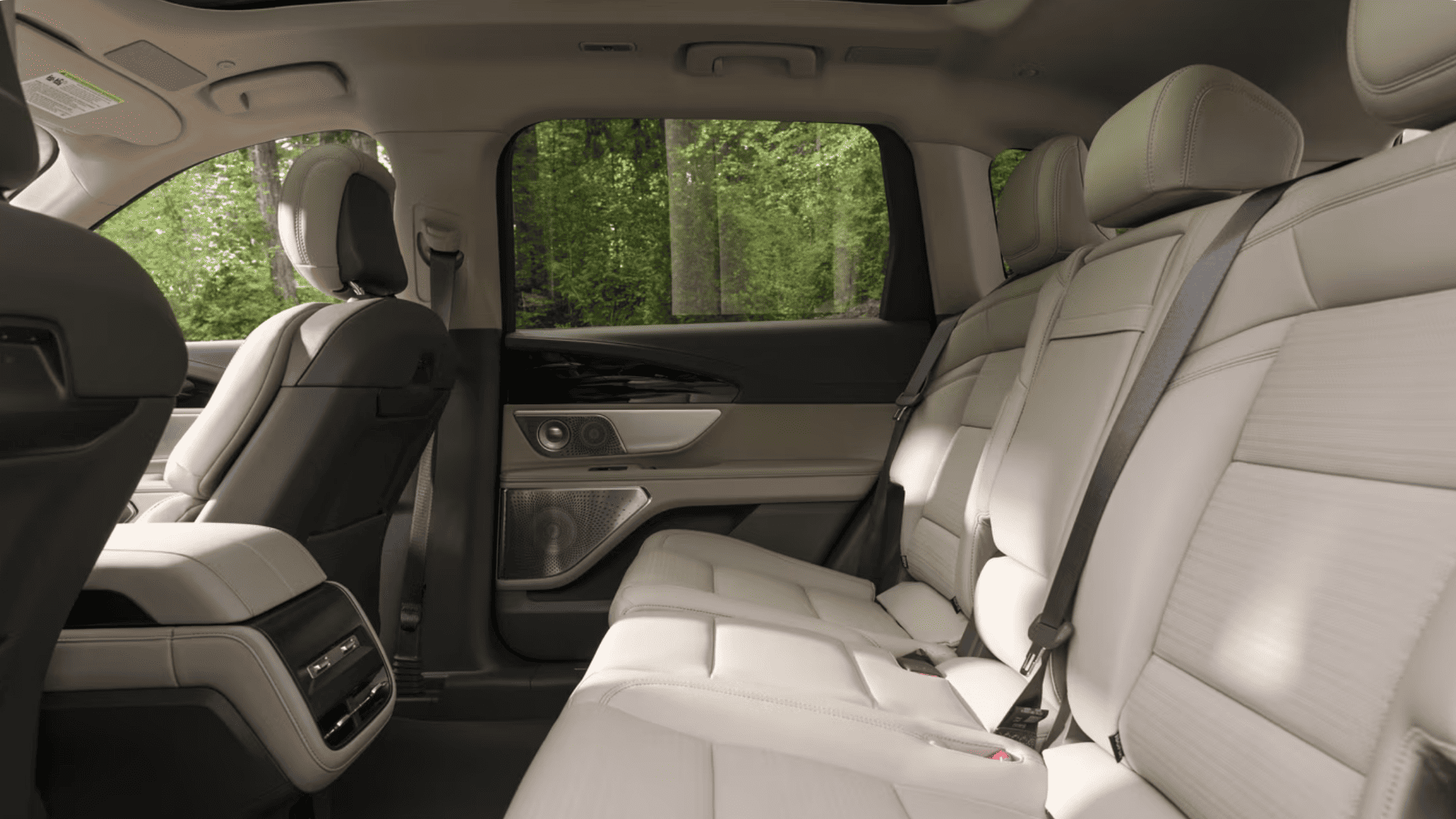
Acoustic engineers integrated materials and panel shapes that reduce cabin noise. The hybrid system contributes to this through electric operation during low-demand phases. The interior structure also supports software-based adjustments for climate control and media settings, which are accessed through the combined display interface. This approach creates a centralized control environment designed to simplify operation and maintain a consistent cabin experience.
Connectivity Framework and Network-Dependent Systems
Connectivity features within the 2026 Lincoln Nautilus® operates through Lincoln Connect™, the Lincoln Way™ app, and Lincoln Premium Connectivity trials that enable certain functions after activation. These systems require compatible devices, active data plans, and functional network conditions. When a device pairs with the vehicle, features such as remote monitoring and select control functions become accessible through the app interface. Specific features may restrict interaction when the vehicle is in motion to ensure that attention is not diverted from driving.
The Wi-Fi hotspot capability includes an initial trial period. Once activated, it supports wireless device usage within the vehicle by utilizing the AT&T network. The performance of these systems can vary depending on geographical coverage and environmental conditions. They are built to maintain functionality under typical vehicle use but can experience limitations if network availability decreases.
Digital service integration also depends on account-based access for features provided through third-party platforms such as Google and Amazon. The interior software coordinates these connections so the digital environment remains stable during operation. This interconnected framework provides an adaptable platform that supports updates and scalable enhancements over time.
Driver Assist Technologies and Operational Safety Systems
Driver assist systems in the 2026 Lincoln Nautilus® are structured to function as supplemental aids to improve awareness and support driving tasks. The available Lincoln BlueCruise® feature allows hands-free driving in designated zones. Activation requires a trial or subscription, but the system includes a four-year complimentary period for equipped vehicles. BlueCruise® monitors lane markings, road curvature, and vehicle positioning through a combination of sensors.
The hardware suite includes radar, cameras, and supplementary modules that help interpret surrounding conditions. These systems update continuously as long as the sensors remain unobstructed and conditions support accurate detection. The vehicle can maintain speed and spacing in alignment with programmed assist settings. The system is not a substitute for driver attentiveness and requires readiness to resume control at any time.
Emergency features include 911 Assist, which uses a paired and connected mobile phone when enabled. The system is designed to contact emergency services automatically if specific criteria are met, such as airbag deployment. The electrical architecture ensures that the system functions only when the necessary internal components remain active and operational. These integrated safety functions work together to support consistent situational awareness.
Media Compatibility and Software-Based Controls
Media compatibility in the 2026 Lincoln Nautilus® includes support for popular file formats such as MP3, AAC, WMA, and WAV. The voice recognition system allows interaction with audio channels, including AM, FM, and SiriusXM®, within the limitations of an active subscription. Some SiriusXM® features depend on the available digital connection and location-based service availability. The display integrates audio selections into the visual interface to reduce the need for manual adjustment.
The system does not control third-party software through direct management. Instead, it provides access through compatible integrations that permit content use while the vehicle is stationary or while certain functions remain allowed. Commands can vary based on the paired device, the installed application, and the vehicle’s software version. The design supports ongoing updates intended to maintain compatibility with evolving digital standards.
Schedule a Test Ride in Shaker Heights, OH
You can schedule a test drive of the 2026 Lincoln Nautilus® to examine its display systems, hybrid powertrain behavior, and network-integrated features as they function during everyday operation. A test drive allows you to observe the panoramic display, connectivity capabilities, and driver assist functions in motion. This provides an opportunity to evaluate how the technical architecture responds to varied driving inputs. The experience gives a clear representation of the operational structure of the vehicle. You may arrange your visit with Nick Mayer Lincoln Westlake in Shaker Heights, OH, to begin the process of exploring the model in person.