



2025 Black Label Nautilus® in Shaker Heights, OH
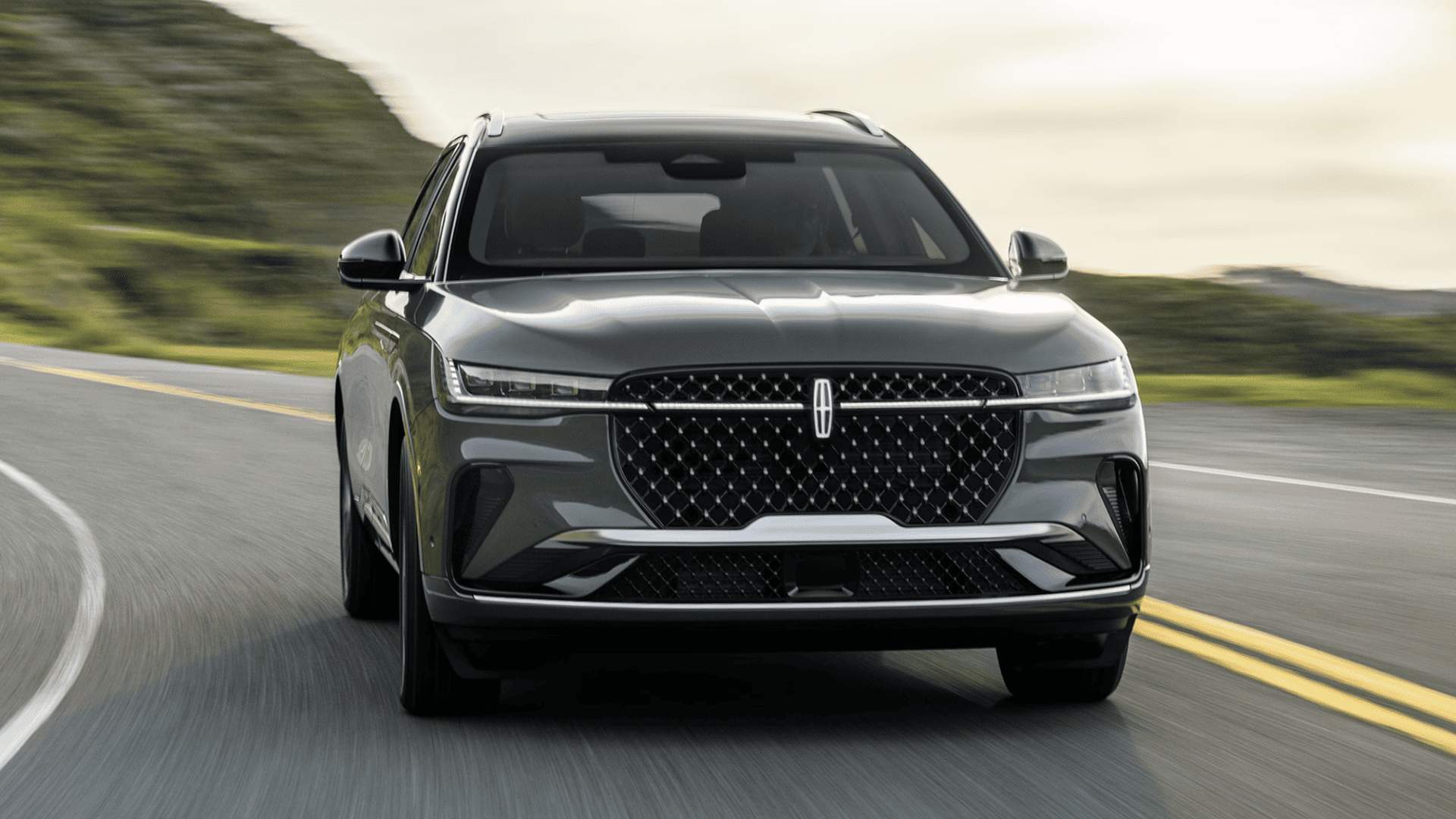
The 2025 Lincoln Black Label Nautilus® is designed with a collection of advanced engineering components and integrated digital systems that support confident operation across diverse driving conditions. Its configuration is built upon the powertrains, technologies, structural elements, and safety features found throughout the Nautilus® model line, paired with select styling enhancements unique to the Black Label trim. The information presented focuses solely on mechanical systems, hybrid architecture, digital interfaces, connectivity structures, cabin technology, driver assistance features, and functional design elements. Every component contributes to consistent performance and operational precision grounded in the documented specifications of the 2025 Black Label Nautilus®.
Powertrain Systems and Engine Configuration
The standard setup for the 2025 Lincoln Black Label Nautilus® series features a 2.0L turbocharged engine engineered to provide stable acceleration and controlled power delivery. Its calibration is designed to support both highway and lower-speed operation through precise fuel mapping and consistent torque output. For drivers who select the available hybrid configuration offered across the model line, the fourth-generation 2.0L turbocharged hybrid system combines engine performance with electric motor operation for a total system output of 310 horsepower. This figure is achieved through combined mechanical and battery-assisted propulsion based on the tested performance of the engine and electric motor components.
The hybrid system incorporates software designed to regulate energy transitions to support smooth engagement and efficient power distribution. Battery output is managed through onboard controls that balance charge levels and motor responsiveness. The hybrid configuration also provides enhanced low-speed stability through electric motor torque characteristics and retains steady acceleration under load with support from the turbocharged engine. Durability targets align with the system’s requirement to maintain operational integrity over extended use.
Both configurations interface with drivetrain components that distribute engine power to the vehicle’s wheels with consistency. Each version is engineered for predictable response characteristics in varied traffic environments and matches fuel efficiency strategies with performance goals. The structural layout of the powertrain supports thermal management and noise reduction for uninterrupted operation across temperature ranges.
Exterior Design and Aerodynamic Structure
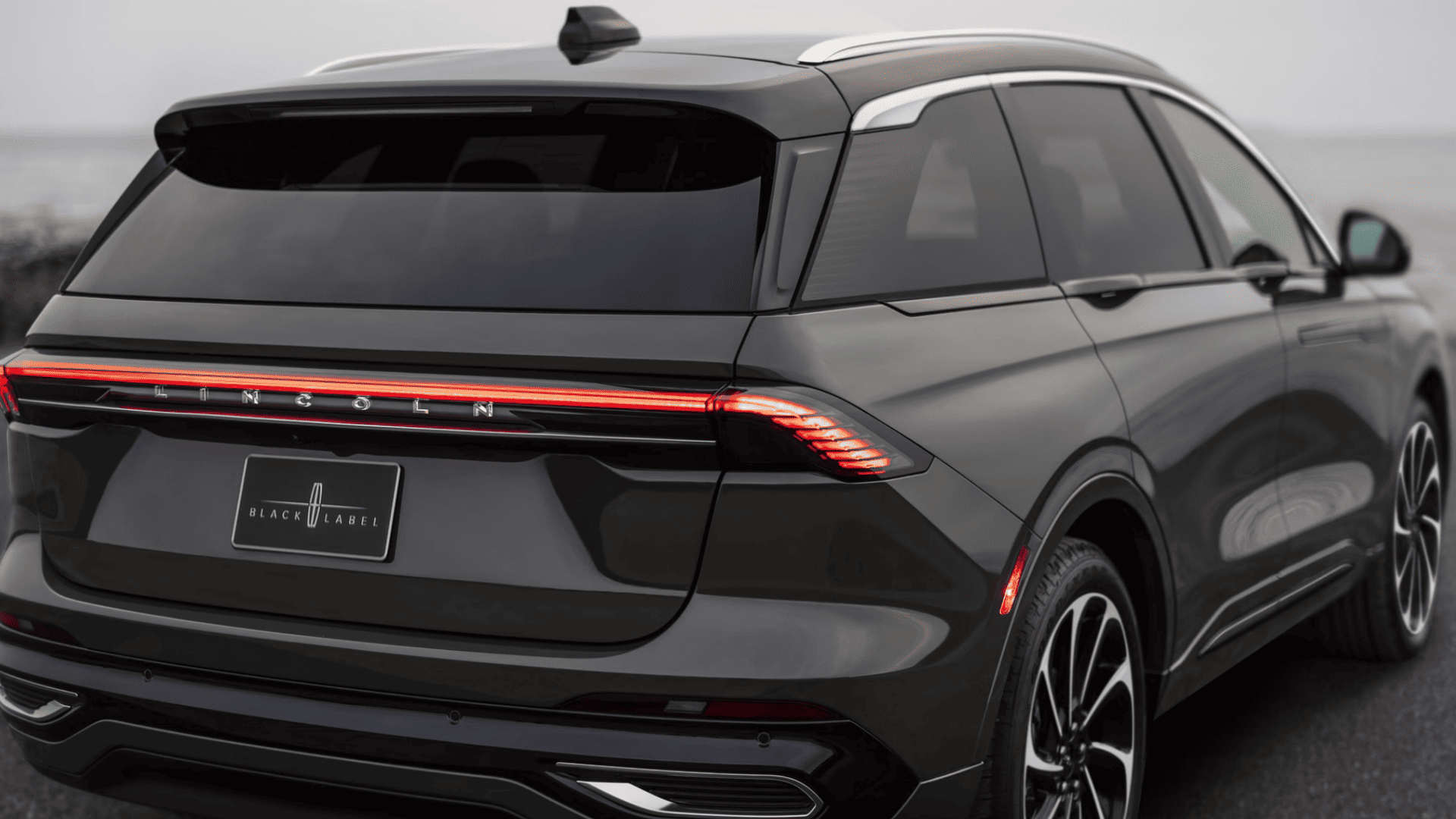
The 2025 Lincoln Black Label Nautilus® incorporates design elements that contribute visually and functionally to the vehicle’s exterior profile. The available Jet Appearance Package introduces body color and Pillar Black surfaces that provide a cohesive finish while also shaping airflow patterns along the vehicle’s edges. A unique grille design in this package supports both cooling efficiency and uniform air distribution across intake surfaces.
The lighting system uses LED technology created for clear illumination with predictable beam patterns. This technology consumes less energy compared to traditional lamps and retains illumination consistency through integrated thermal controls. The overall exterior layout combines sculpted body panels and smooth transitions across the vehicle structure in order to reduce drag and promote stable handling at travel speeds.
Door assembly, panel rigidity, and exterior seals are engineered to limit wind intrusion and vibration. These details support both structural stability and noise reduction. The exterior design also contributes to the performance of driver assistance sensors by maintaining unobstructed lines of sight for cameras and radar placement.
Digital Interface and Connectivity Engineering
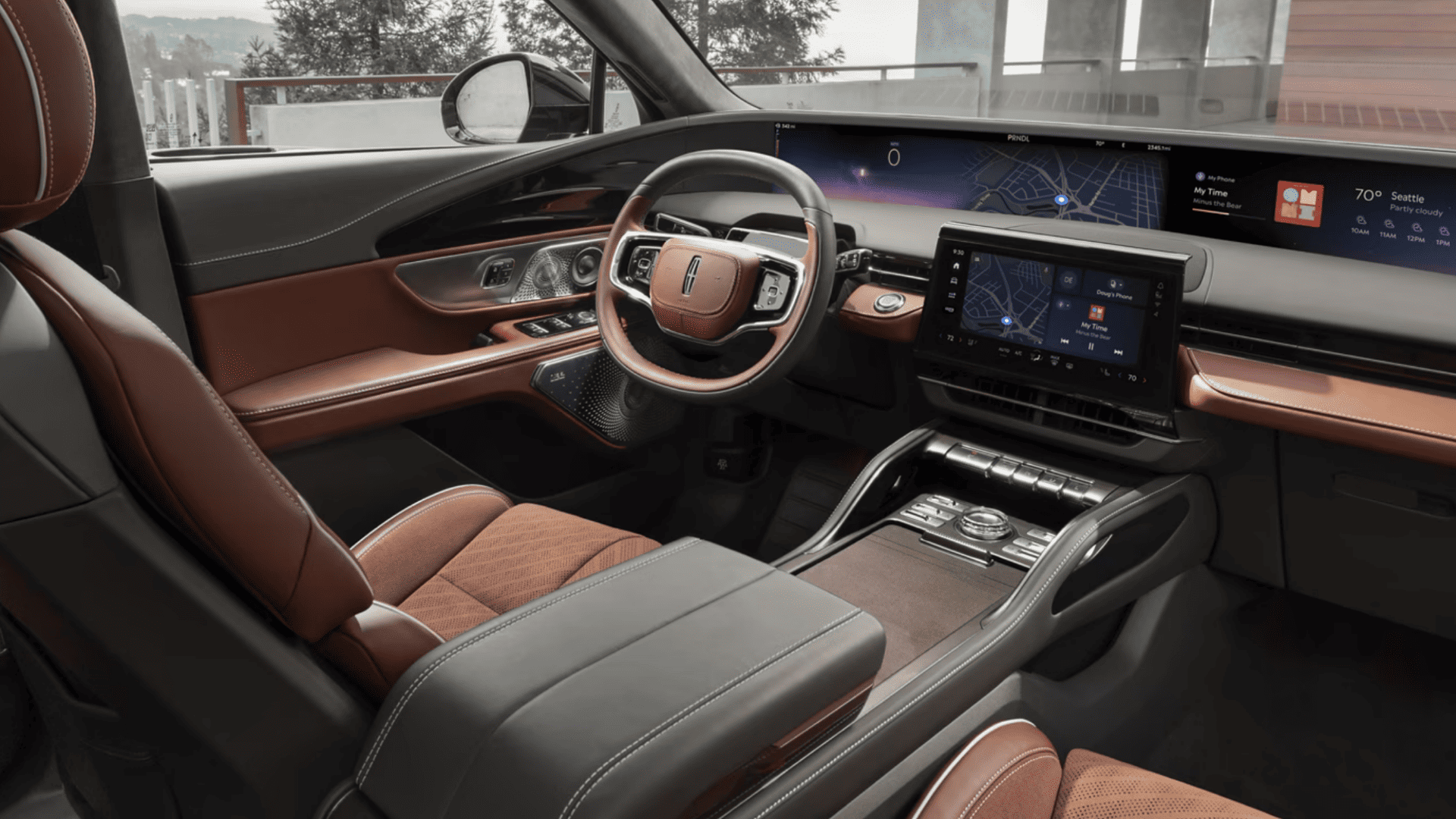
The Lincoln Digital Experience is a central component of the 2025 Lincoln Black Label Nautilus®. It appears through the largest display in its class and is configured for streamlined interaction with onboard systems. The display consolidates driving information, media management, device integration, and navigation inputs into a wide visual field that is engineered to minimize driver distraction. Input response is designed for consistency through capacitive touch controls and visually distinct interface elements.
The system integrates Google Maps, Google Play, and compatibility with Google Assistant. This integration provides navigational routing data, access to applications, and voice-controlled features through recognized speech input. Alexa Built In is also supported through the same interface and enables voice-directed adjustments to select cabin functions along with connection to a user’s compatible smart home features. Wireless smartphone compatibility reduces the need for cable connections and reinforces the seamless transition between personal devices and in-vehicle systems.
Lincoln Connect™ supports remote functions through the Lincoln Way™ App when network conditions allow. It also provides access to a Wi-Fi hotspot with an included trial period. This structure is built on AT&T network connectivity as referenced in the vehicle’s documentation and depends on compatible signal availability for full operation. Over-the-air update capability allows system enhancements or modifications to be implemented through software deliveries controlled by the manufacturer.
Cabin Technology and Interior Configuration
The interior architecture of the 2025 Lincoln Black Label Nautilus® is developed around the ergonomic placement of controls and displays. Visibility of essential driving information is prioritized and supported by a clean cabin layout that reduces potential visual distraction. High resolution display graphics and consistent interface responsiveness contribute to ease of use while navigating onboard menus.
Acoustic insulation materials surrounding the cabin are engineered to reduce mechanical noise, tire resonance, and wind intrusion. This allows greater clarity for voice recognition systems and audio playback. Climate control components are calibrated for steady airflow distribution and precise temperature maintenance across both rows. Seat construction supports occupant posture and provides sustained comfort during extended operation.
Speaker placement within the cabin is designed to generate uniform sound distribution. Electrical system stability supports uninterrupted playback and prevents fluctuations that could impact audio quality. Interior surfaces use materials selected for durability and low reflectivity, which helps maintain visibility of digital displays under varied lighting conditions.
Driver Assistance and Safety Technology
The 2025 Lincoln Black Label Nautilus® integrates a series of driver assistance features designed to support the driver’s ability to maintain vehicle control. These systems rely on sensors, cameras, and radar units that identify surrounding vehicles, lane boundaries, and potential hazards. While these features provide support, they do not replace driver awareness or responsibility for maintaining control of the vehicle.
Lane-based systems are engineered to detect roadway markings and provide corrective steering input if unintentional drift is identified. Collision mitigation technology uses data from forward detection hardware to identify obstacles and can adjust braking pressure to reduce the effect of a potential impact. Adaptive speed systems monitor traffic ahead and adjust vehicle speed through throttle and braking control to maintain appropriate following distance.
Emergency communication functions may activate under conditions such as airbag deployment. These features rely on the vehicle’s electrical integrity, connectivity signals, and a paired mobile device to complete contact with emergency services when active. The onboard system must be correctly connected and configured for full functionality.
Sensor calibration throughout the vehicle is designed to maintain alignment and accuracy for consistent operation. Cameras positioned around the vehicle support visibility functions that aid in low-speed maneuvering. The combination of these safety and assistance systems forms a technical network that enhances operational awareness and reduces driver workload in supported scenarios.
Structural Engineering and Ride Quality
Chassis development for the 2025 Lincoln Black Label Nautilus® focuses on stability and reduction of unwanted vibration. Suspension tuning is created to maintain tire contact with the road surface and improve consistency when traveling over uneven terrain. This approach contributes to precise steering feedback and supports ride comfort for all occupants.
The structural frame uses materials selected for rigidity in order to limit body flex and preserve alignment of connected components. This design approach also enhances interior quietness. Aerodynamic shaping across the body contributes to reduced wind resistance and helps maintain predictable handling at sustained speeds.
Steering response is engineered through electronic power assist calibration that provides controlled input without excessive sensitivity. Brake components are configured for consistent pedal feel and regulated hydraulic distribution.
Functional Utility and Interior Space Use
The cargo area is structured for practical loading and storage with a design that preserves interior passenger space. The liftgate provides easy access to the rear area and operates smoothly due to the controlled hinge design and regulated movement systems. Interior storage solutions accommodate daily needs and travel equipment through thoughtful placement of compartments and usable volume.
Exterior camera integration supports functional visibility when maneuvering in confined spaces. Mirror placement and control mechanisms aid in precise adjustment and provide wide viewing angles to enhance situational awareness.
Visit Nick Mayer Lincoln Westlake to Schedule a Test Ride
We welcome drivers who want to examine the operational capabilities of the 2025 Lincoln Black Label Nautilus®. A test drive offers the opportunity to experience its hybrid system response, turbocharged engine performance, digital interface functionality, and driver assistance technology in controlled driving environments. Our staff is available to review each technical system and answer questions regarding powertrain engineering, digital integration, and structural design. You are invited to explore these features firsthand under the guidance of a knowledgeable team member at Nick Mayer Lincoln Westlake in Shaker Heights, OH. We look forward to assisting you with your evaluation of this model and helping you understand the full range of its engineering features.